
Dyslexia Assessments in Halifax / Bedford
What Is Dyslexia?
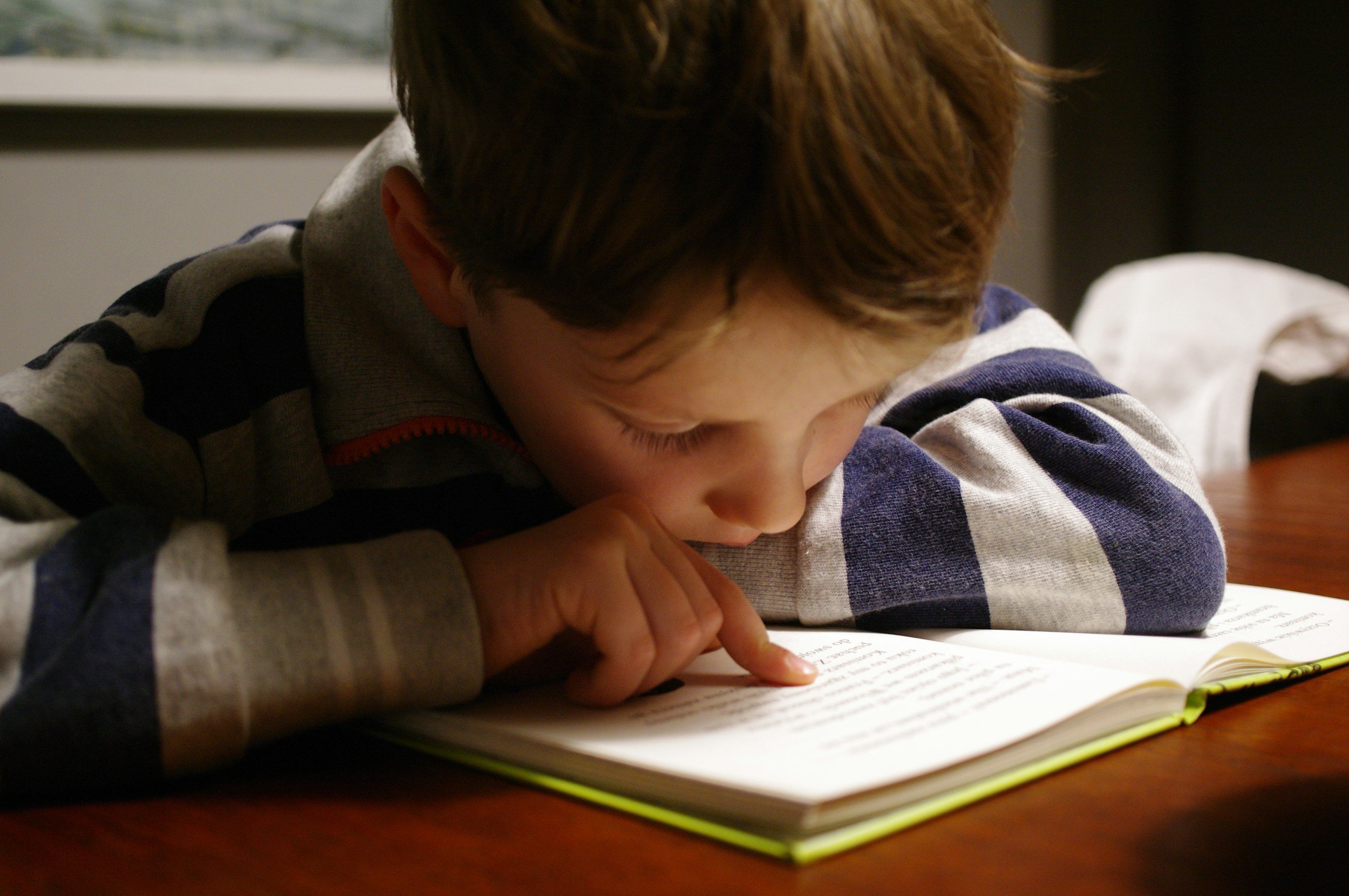
Dyslexia (also referred to as a Specific Learning Disorder in Reading) is a learning difference that affects the development of accurate and fluent reading skills. Individuals with dyslexia often have difficulty learning to connect letters with sounds, recognize words automatically, read smoothly, and spell accurately.
Dyslexia is not related to intelligence. Many individuals with dyslexia have strong reasoning skills, creativity, problem-solving abilities, and verbal skills. In many cases, reading and spelling are areas of specific difficulty within an otherwise strong learning profile.
Reading can feel much harder for individuals with dyslexia because they often have difficulty with phonological processing. This refers to the ability to recognize and work with the sounds in spoken language. Phonological processing helps children learn how sounds connect to letters, how to blend sounds together to read words, and how to break words apart for spelling.
Common signs of Dyslexia

Dyslexia can look different depending on a child’s age, but common signs can include:
difficulty learning letter names or letter sounds
trouble sounding out unfamiliar words
slow, effortful, or inaccurate reading
guessing at words based on the first letter or context
difficulty spelling, even familiar words
avoiding reading or becoming frustrated with reading tasks
difficulty remembering sight words
trouble with rhyming or identifying sounds in words
strong listening comprehension but weaker reading comprehension
needing much more time than expected to complete reading or writing tasks
How can a psychoeducational assessment
help?
A psychoeducational assessment can help determine whether a child’s reading and spelling difficulties are consistent with dyslexia or perhaps another learning difficulty.
A psychoeducational assessment can help answer important questions, such as:
Why is reading so difficult for my child?
Are their challenges consistent with dyslexia?
What are their learning strengths?
What type of reading instruction would be most helpful?
What school supports or accommodations may be needed?
The goal is to provide a clearer understanding of the child’s strengths and challenges in order to provide practical recommendations to support learning at home and at school.
A hopeful path forward
It is important to understand that dyslexia is not caused by a lack of effort, motivation, or exposure to books. Many children with dyslexia work very hard, but reading continues to be slow and frustrating.
Reading is different from spoken language. While children naturally learn to speak by being surrounded by language, reading must be directly taught. Children with dyslexia typically benefit from structured, systematic, and evidence-based reading instruction that explicitly teaches the connections between sounds, letters, and words. With the right support, individuals with dyslexia can make meaningful progress. Many children can learn to read accurately and more fluently with explicit instruction.
Early identification and appropriate intervention can make a significant difference in an individual’s confidence, academic progress, and overall well-being. Identifying these challenges later in life can also help students to get appropriate accommodations in place to support them academically in school.