
ADHD Assessments in Halifax, Bedford, and Across Nova Scotia
Who We Assess
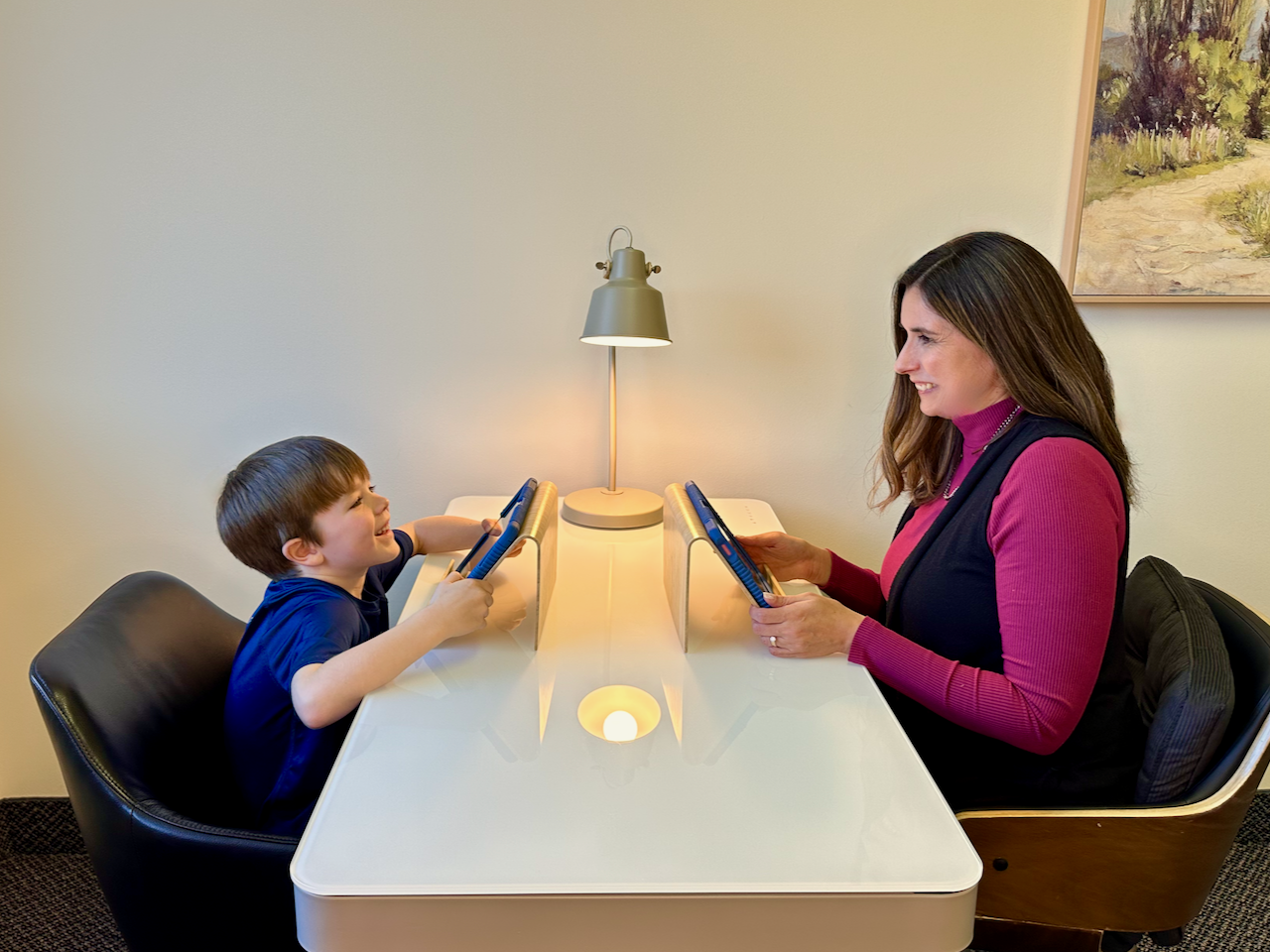
We complete ADHD assessments for children, teens, and young adults in Halifax, Bedford, across Nova Scotia and throughout the Maritimes.
We assess:
children with attention and focus concerns
teens whose school performance is inconsistent
young adults and university/college students needing documentation for accommodations
Our ADHD assessments are designed to provide clear and meaningful information. If you’re a parent noticing signs of inattention, or a young adult wondering about focus and concentration, we’re here to help. Our goal is to understand the why behind certain behaviours to support you at school, home, or in relationships.
Our current wait time for ADHD assessments is 4-6 weeks.
What is ADHD?
Attention Deficit Hyperactivity Disorder (ADHD) is a condition that affects how a person focuses, manages their attention, and stays organized. Children and teens with ADHD are often bright and capable, but they may find it harder to stay on task, follow through on work, remember instructions, or manage their time.
ADHD is not caused by laziness or a lack of effort. It reflects differences in how the brain manages attention, activity level, and self-regulation. Some children are mostly inattentive and easily distracted, while others may be more active or impulsive.
We take a caring, step-by-step approach to identify ADHD and understand each person’s unique strengths. You’ll receive practical information and recommendations that can make daily life easier and more successful.
What are some signs that ADHD might be present?
You might consider an ADHD assessment if your child:
• has difficulty staying focused on tasks or schoolwork
• frequently loses things or forgets instructions
• struggles to start or finish work
• takes much longer than expected to complete homework
• seems bright but school performance is inconsistent
• has difficulty managing time or staying organized
• is easily overwhelmed by multi-step tasks
How do I know if the challenge is learning or attention?
Sometimes challenges at school are related to attention, and other times they are related to how a child learns.
ADHD primarily affects focus, organization, and self-management. Children with ADHD may understand the material but have difficulty staying on task, completing work, or keeping track of assignments.
A learning disorder affects the development of skills such as reading, writing, or math. A child may be putting in significant effort but still struggle to develop these skills in the expected way.
If a child is experiencing notable academic difficulties, we typically recommend a comprehensive psychoeducational assessment to better understand their learning profile. Assessing for ADHD is included as part of this process. When learning concerns are not present and the primary questions relate to attention, we can focus an assessment specifically on ADHD.
The cost of an ADHD assessment without a learning/psychoeducational assessment does take less time and fees will reflect the time required to complete the assessment.
What is included in an ADHD Assessment?

An ADHD assessment looks at how attention, organization, and self-regulation are affecting daily life. We gather information from several sources to develop a clear understanding of strengths and challenges.
The assessment typically includes:
Parent interview
A detailed conversation about your child’s development, learning history, behaviour, and current concerns.
Meeting with your child
Your child will meet with the psychologist to complete some activities or do some basic screening of cognitive and academic skills.
Questionnaires
Standardized rating scales completed by parents and teachers to understand how your child is functioning across settings such as home and school.
Feedback and report
After the assessment, we meet with you to review the results and answer questions. You will also receive a detailed written report outlining the findings along with recommendations to support your child at school and at home.
If there are concerns about learning, we recommend a comprehensive psychoeducational assessment as ADHD can also be assessed as part of that process. It will include the components of the psychoeducational assessment plus the interviews and questionnaires.
What is the cost of an ADHD Assessment?
If there are no learning concerns we can assess for only ADHD (ages 25 and under). Costs vary between $1,500 - $2,500 based on complexity.
An ADHD assessment is included in the cost of our comprehensive psychoeducational assessments ( $3,375 ).
The cost of an ADHD assessment varies but takes less time than a psychoeducational assessment. One of our psychologists will provide a quote for services during your consultation.